About the project
Why this northern coast archive was built
A living reference assembled from field notes, local memory, and image records so the towers can be understood as places, not just landmarks.
The archive's aim
This project documents the northern coast's lighthouses in plain, reliable language so readers can trace how each tower served its shoreline community across changing generations of keepers, mariners, and residents.
How material was curated
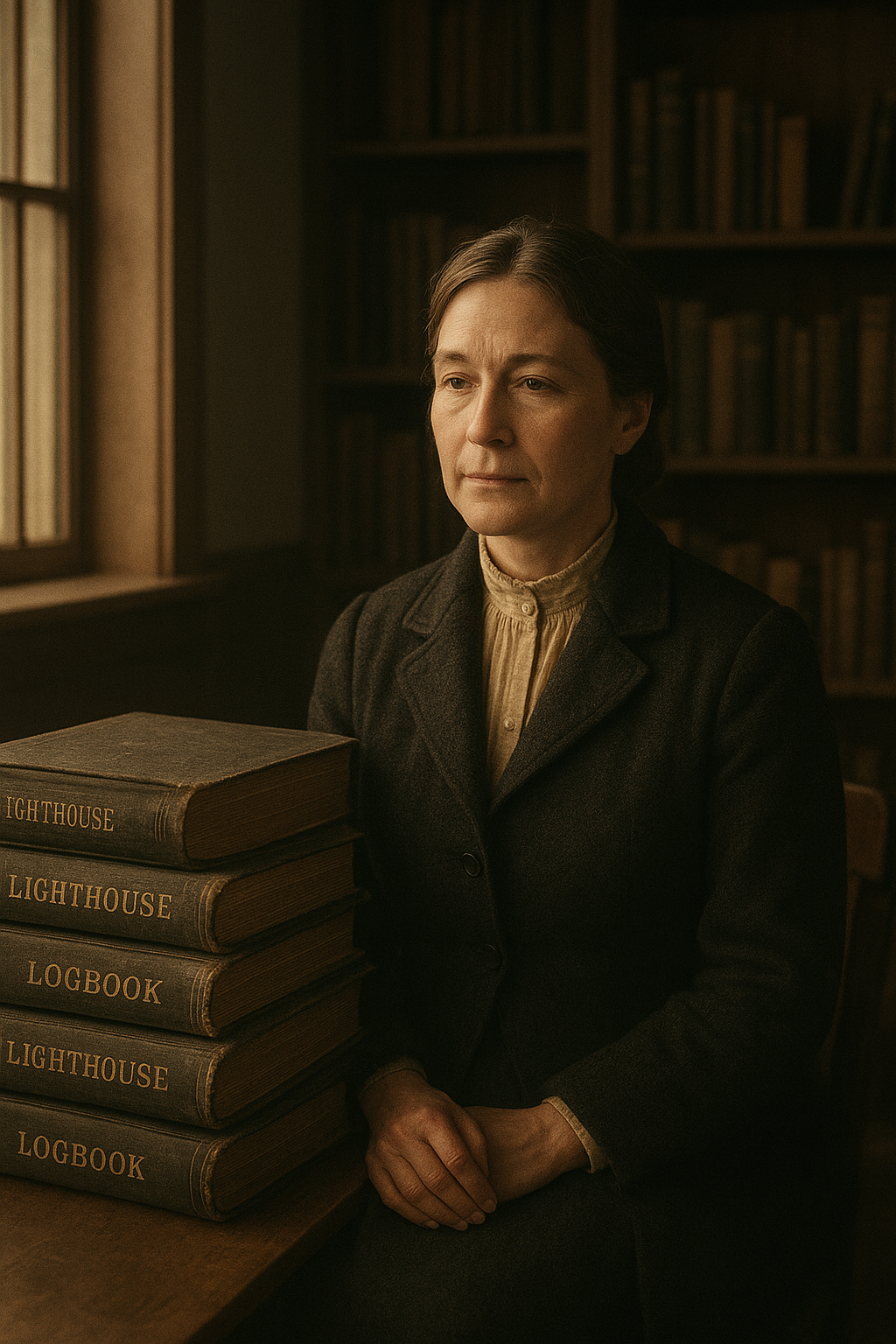
Entries are compiled from dated photographs, municipal records, logbook excerpts, and credited oral-history interviews, then cross-checked before publication. Captions preserve source context, and uncertain details are marked rather than smoothed over.
Memory, photography, and place
Photographs can freeze a moment, but they rarely hold the full weather, labor, and routine that gave a lighthouse meaning. We pair images with remembered practice and present-day site documentation so each tower can be read in three layers: what was built, what was witnessed, and what still stands for visitors to encounter now.